
How to Develop a Strong Concept for Your Music Video
A great music video does more than show an artist performing a song. It gives the track a visual identity. It helps the audience feel the emotion behind the lyrics, remember the artist, and connect with the song in a deeper way.
Before you choose locations, outfits, lighting, camera moves, or effects, you need a concept. The concept is the central idea that connects the music to the images on screen. It could be a story, a mood, a single striking visual, or a performance style that captures the energy of the song.
Whether you are creating a cinematic narrative, a gritty performance video, or something abstract and emotional, the strongest music videos usually start with one clear question: What should this song feel like when people watch it?
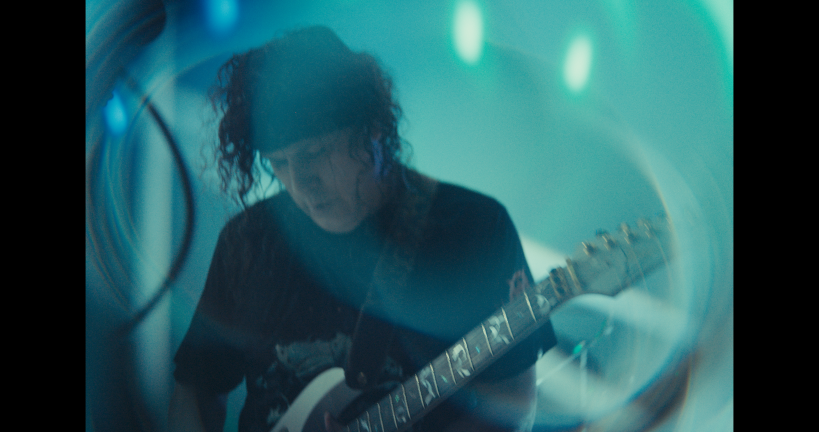
Start With the Emotion of the Song
At the heart of every music video is the song itself. Before I think about storyboards, locations, effects, or camera movement, I try to understand the emotional core of the track.
When an artist approaches me about a video, the first thing I like to do is listen to the song several times. I usually listen twice back to back, then take a few minutes to absorb it. On the third listen, I start paying attention to the mental images that naturally come up.
At this stage, I try not to overanalyze the lyrics. I’m more interested in the instinctive reaction. What does the song make me see? What colors, places, characters, or emotions show up without forcing them?
After a few more listens, I usually begin to develop what I call a “reactive idea.” It might become the final concept. It might be completely wrong. But it gives the creative process somewhere to begin.
Find the Core Idea
The music may be what grabs you first, but the lyrics often drive the final idea for the video.
That does not mean every music video has to literally follow the lyrics. Some of the most memorable music videos have little to do with the direct meaning of the words. A video can support the song through mood, contrast, symbolism, movement, or atmosphere.
Still, it is important to understand the song fully. What is the artist really saying? What is the emotional tension? Is the song about loss, confidence, anger, nostalgia, freedom, regret, or transformation?
Once you understand the heart of the song, you can build a visual idea that feels intentional instead of random.
Choose the Right Type of Music Video
Not every song needs the same kind of video. Some songs call for a full narrative. Others are better served by a simple performance piece. Some need a highly stylized visual world, while others feel stronger when they are raw and stripped down.
A few common approaches include:
Narrative videos: These tell a story with characters, conflict, and some kind of emotional progression.
Performance videos: These focus on the artist or band performing the song in a visually interesting way.
Conceptual videos: These are built around an image, metaphor, location, or visual idea rather than a traditional story.
Hybrid videos: These combine performance with narrative or symbolic visuals.
Personally, I love creating narratives that support the performance. A good story can create a second rhythm inside the video, separate from the rhythm of the song itself. But sometimes, the strongest choice is to keep things simple and let the artist’s performance carry the emotion.
There is no single correct approach. The right type of video is the one that best serves the song.
Use Symbolism and Metaphors
Because music videos usually do not rely on dialogue, you have to find visual ways to communicate change, conflict, and emotion. Symbolism and metaphor can help give the video more depth without making everything too obvious.
In an early music video I made for MiLow with a Capital L, we explored the idea of a man “finding” missing pieces of his life by literally discovering origami made from paper cash. The idea was to show him letting go of old attachments and reconnecting with his true character.
Was it a little cheesy? Absolutely. It was a long time ago.
But the lesson still holds up: visuals can say things that dialogue cannot. A repeated object, a specific color, a change in wardrobe, a location, or a simple action can all become part of the video’s language.
The key is to avoid symbolism that feels random. It should connect back to the emotion or meaning of the song.
Build Characters That Serve the Story
If your music video has a narrative, the characters need to matter. They do not have to be overly complicated, but they should have a clear purpose.
Who are they at the beginning of the video?
What are they searching for?
What changes by the end?
How do they connect to the song?
Even a simple character arc can make a video feel more complete. A person walking through a city, sitting alone in a room, chasing something they lost, or confronting a version of themselves can become powerful if the emotion is clear.
The audience does not need every detail explained. They just need enough to feel invested.
Choose Locations That Add Meaning
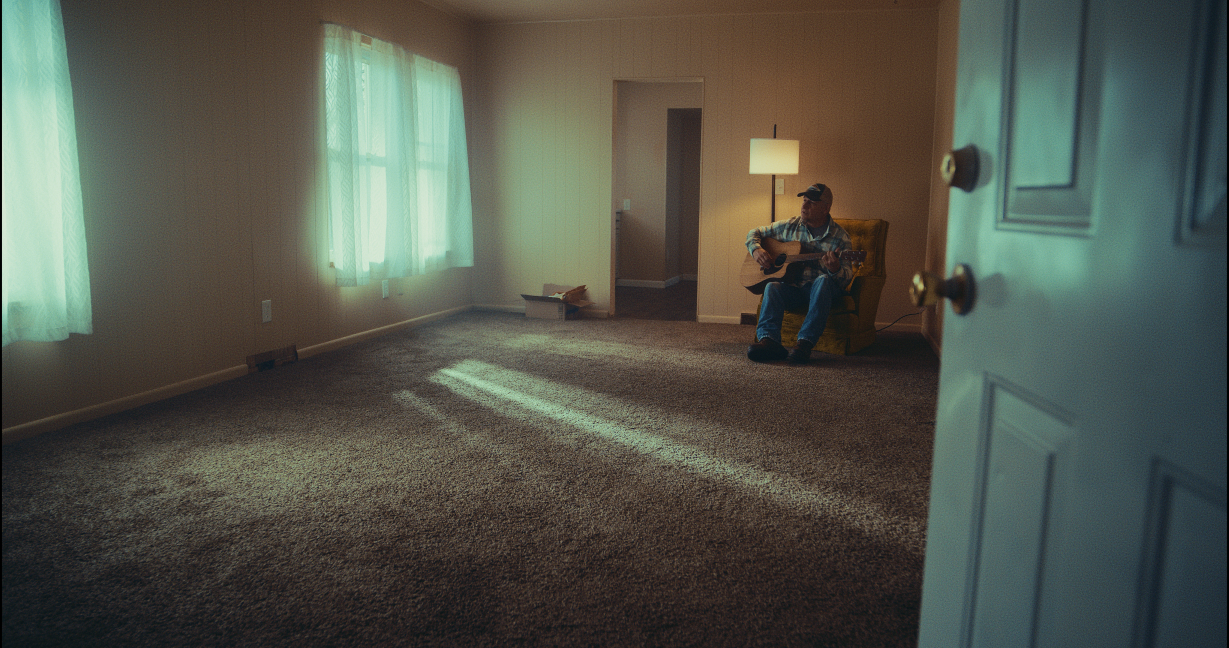
A strong location can completely change the feeling of a music video. The right space gives the visuals texture, mood, and personality before the artist even steps into frame.
Years ago, I had the opportunity to shoot in an old, run-down industrial complex in St. Louis. It looked like something out of a post-apocalyptic nightmare. It was incredible.
We shot a hard rock band in several different areas of the building, and honestly, I could have pointed the camera in almost any direction and found something visually interesting. The location did a lot of the heavy lifting because it already had character.
That is what a great location does. It supports the tone of the song. It gives the artist a world to exist in. It makes the video feel bigger and more intentional.
Set design matters too. Even small details like props, furniture, color, lighting, and wardrobe can help turn a plain space into something cinematic.
Think About Movement and Performance
Performance is not just about singing or playing an instrument on camera. It is about energy, body language, and emotion.
A quiet song may need stillness. A heavy song may need aggressive movement. A confident track may need bold camera angles and direct eye contact. A song about isolation may need distance, negative space, or restrained performance.
Movement can come from the artist, the camera, background performers, choreography, or editing. The goal is to make the movement feel connected to the song rather than added for no reason.
Even simple performance direction can make a huge difference. Sometimes the artist needs to pull back. Sometimes they need to give more. Sometimes the best performance happens when they stop trying to “act” and simply live inside the emotion of the track.
Use Visual Effects With Purpose
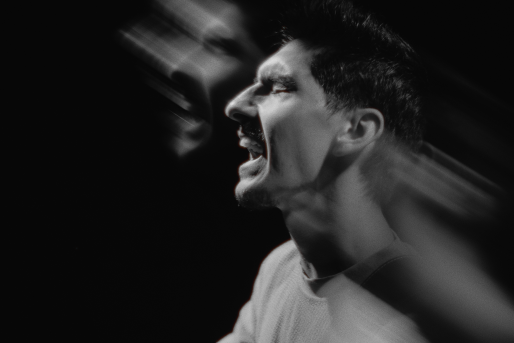
Visual effects can be powerful, but they should support the concept instead of distracting from it.
I love using practical, in-camera effects, like the lens ghosting we use on Dale Robert's video for his song 'Preacher Man'. But these were done intentionally, to visualize the emotions of the character in the song, not just thrown in willy nilly.
Effects, transitions, overlays, slow motion, lighting shifts, and surreal visuals can all help create a memorable video. But the best visual choices usually come from the idea, not from the desire to make something look flashy.
Before using an effect, ask:
Does this support the emotion of the song?
Does it help tell the story?
Does it make the video more memorable?
Would the concept still work without it?
A simple idea executed well will almost always be stronger than a video overloaded with effects that do not serve the song.
Keep the Process Collaborative
I've always been of the opinion that a strong music video comes from collaboration. The artist brings the song, the emotion, the story, and the personal connection. The director brings visual interpretation, structure, and execution.
The best results happen when both sides are open to ideas.
Sometimes an artist has a very specific vision. Other times, they only know how they want the video to feel. Both starting points are valid. The job is to shape those ideas into something that can actually be filmed, edited, and delivered in a way that feels true to the music.
A good concept should excite the artist, make sense for the budget, and give the production team a clear creative direction.
Make Something the Audience Will Remember
A music video should give the audience something to hold onto.
That could be a story they relate to, a visual they cannot forget, a performance that feels honest, or a mood that sticks with them after the song ends.
The goal is not always to explain everything. Sometimes mystery is part of what makes a video interesting. But the audience should feel like the visuals were created with purpose.
When the concept, performance, locations, lighting, and editing all work together, the video becomes more than promotional content. It becomes part of the song’s identity.
Conclusion
Developing a strong concept for a music video takes more than cool shots or interesting locations. It starts with listening. It requires understanding the emotion of the song, finding the right visual approach, and building a world that supports the artist’s message.
Whether the final video is narrative, performance-based, abstract, or somewhere in between, the concept should always serve the music.
A great music video helps people feel the song in a new way. It gives the track a visual life. And when it is done well, it leaves the audience with something they remember long after the video ends.
Have a song that needs the right visual concept? View my music video work or reach out to start developing a treatment for your next release.